FOSE Tour 2026: Welcome to the 27th Annual Gathering of the Friends of Scouting in Europe
Erfurt, Germany | October 1st – October 4th, 2026
This year, our gathering takes us to Germany. You might wonder: why Germany? Isn’t it a highly developed country with a well-established Scouting movement?
Yes, it is—but only in certain parts. When we look at the statistics, Scouting in the eastern part of Germany faces significant challenges. There are around 150,000 Scouts in Western Germany, but only about 1,500 in the eastern federal states (excluding Berlin). This means that while the West has about 2,250 Scouts per 1 million inhabitants, the East has only about 100 Scouts per 1 million inhabitants.
The purpose of this year’s gathering is to understand the historical context behind these numbers and to find ways to support the growth of Scouting in this region.
Click Here to Register for the FOSE Tour 2026
Historical Background: Scouting in Thuringia and East Germany
The critical need for growing the Scouting movement in Thuringia and other eastern states cannot be fully understood without looking back at history.
The Impact of Two Dictatorships (1933–1989)
- 1933–1945: When the Nazi Party and Adolf Hitler came to power, democracy was rapidly dismantled, fundamental rights were abolished, and the entire society was forced into the Nazi education system. Opponents were imprisoned or sent to concentration camps. The regime used scapegoating tactics, holding Jewish people responsible for Germany’s challenges, which ultimately led to the Holocaust. During this dictatorship, independent Scouting was banned. All young people were forced to join the Hitlerjugend (Hitler Youth), an organization that misappropriated Scouting symbols, such as uniforms and scarves.
- Post-WWII Division: After World War II, Western Germany established a stable democracy. The new constitution (Grundgesetz), drafted by the Parliamentary Council and approved by the Western Allies, was built on unalterable human rights to ensure such a dictatorship could never happen again. Under this democratic framework, Scouting flourished once more.
- 1949–1989: In Eastern Germany (the GDR), the Communist Party seized power and established a new dictatorship. Although other political parties nominally existed in parliament, the allocation of seats was fixed, ensuring total communist control. Once again, young people were forced into state-run youth organizations: the Thälmann Pioneers for younger children and the FDJ (Free German Youth) for older youth. Like the Hitler Youth, they adopted uniforms and scarves. Those who refused to join faced severe consequences, including being barred from higher education and universities.
Post-Reunification Challenges
Both regimes systematically dismantled individual freedom, forced citizens into party organizations, and fostered state dependency. While East Germany provided a comprehensive social security network where everyone had a guaranteed job, it did not encourage citizens to take independent initiative or organize their own lives.
When the East German state collapsed in 1989, the region rapidly integrated into the Western democratic system. This swift transition lacked long-term planning, resulting in dramatic spikes in unemployment. People who had always relied on a state-directed life suddenly had to rely on their own initiative—a skill they had never been permitted to develop. Furthermore, many early business dealings by Western individuals exploited local populations, creating widespread resentment.
In this environment, populist political movements gained traction by blaming established parties and the democratic system for these economic hardships. Following the 2015 humanitarian crisis, when Germany welcomed a large number of refugees fleeing war zones, populist rhetoric increasingly targeted minorities. Under the German constitution (Grundgesetz), anyone persecuted on ethnic or political grounds has a right to asylum—a direct systemic lesson learned from the Holocaust, when many countries refused to accept Jewish refugees.
The Current Reality for Scouting
Given this complex legacy, building a Scouting infrastructure in East Germany remains difficult. Decades of forced participation in mandatory state youth groups between 1933 and 1989 have left generations deeply skeptical of organized youth movements.
At the same time, populist movements continue to challenge the core principles of the constitution, promoting exclusionary views. This stands in direct opposition to the values of Scouting, which state that all individuals possess equal dignity regardless of origin, religion, or gender. This inclusive vision is strongly supported by Christian churches across Germany.
To address these challenges, the Scout Federation of Thuringia has launched a dedicated growth project titled: “The Nucleus of Democracy – Growing Scouting in Thuringia.”
Event Overview & Highlights
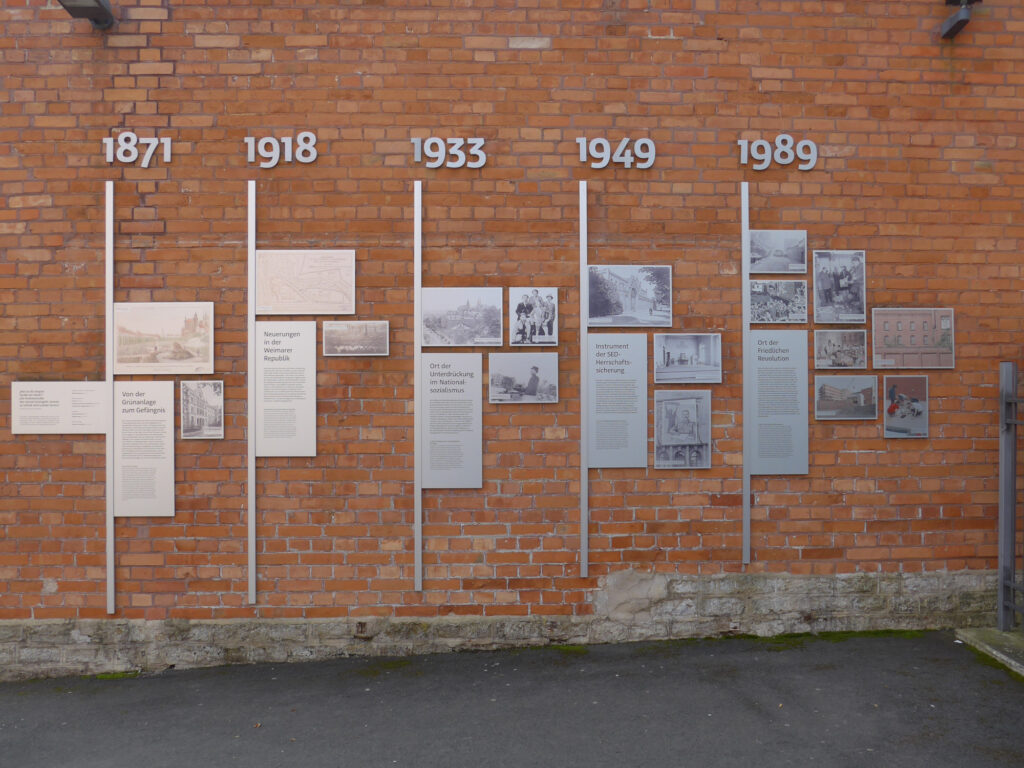
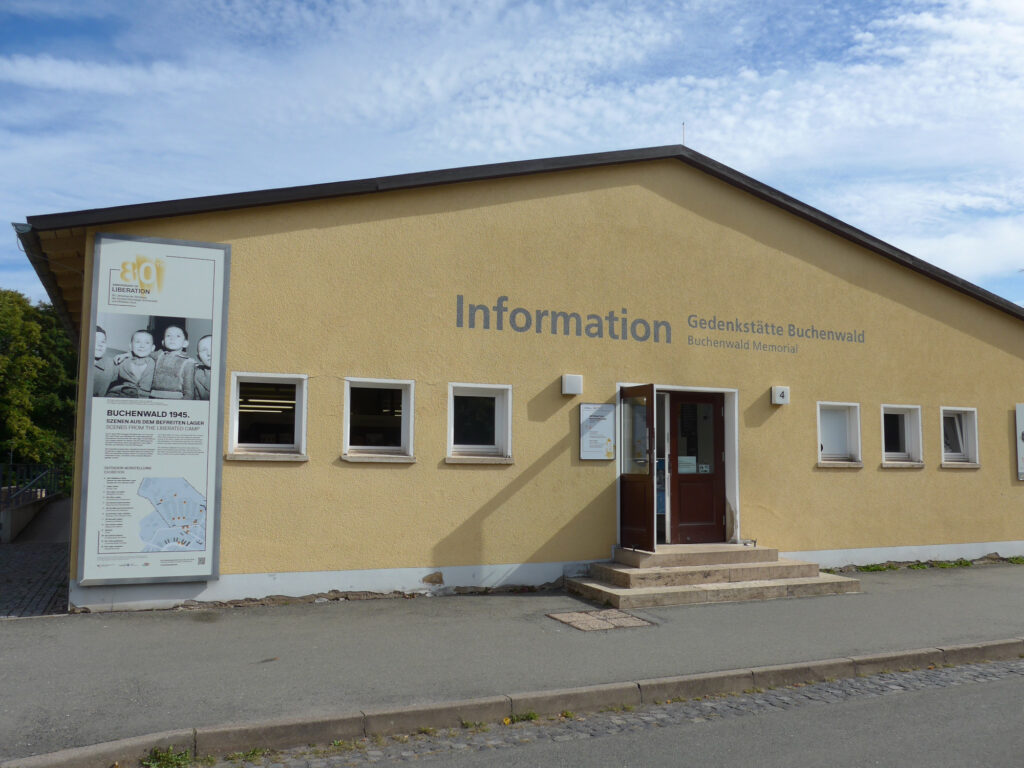
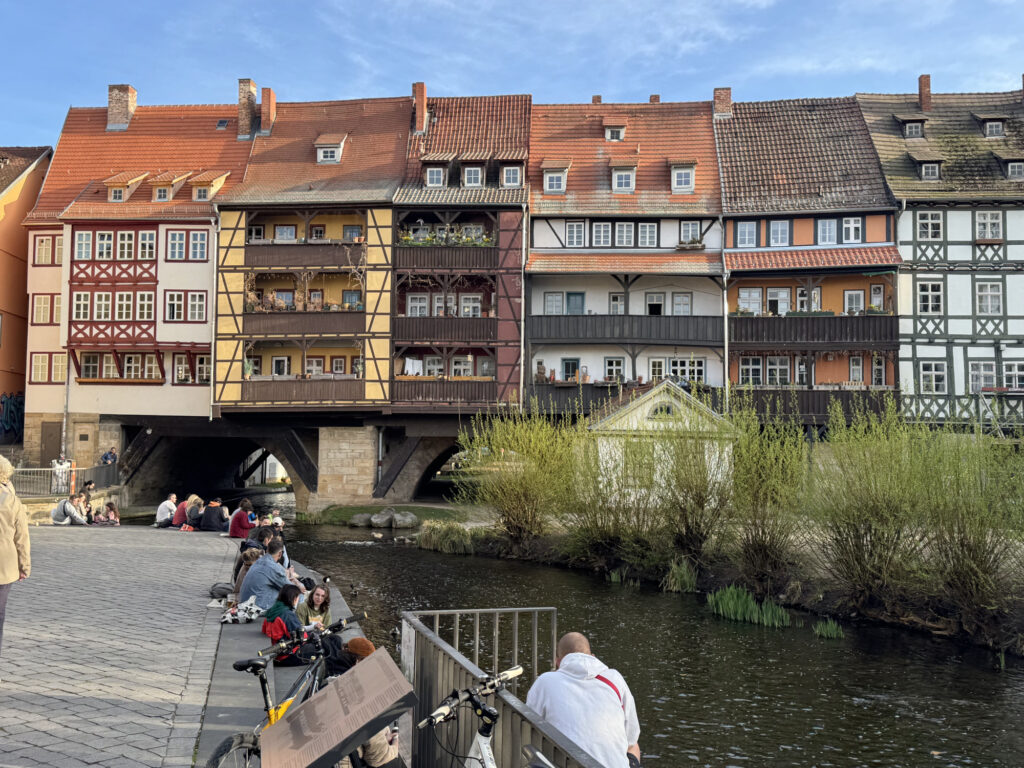
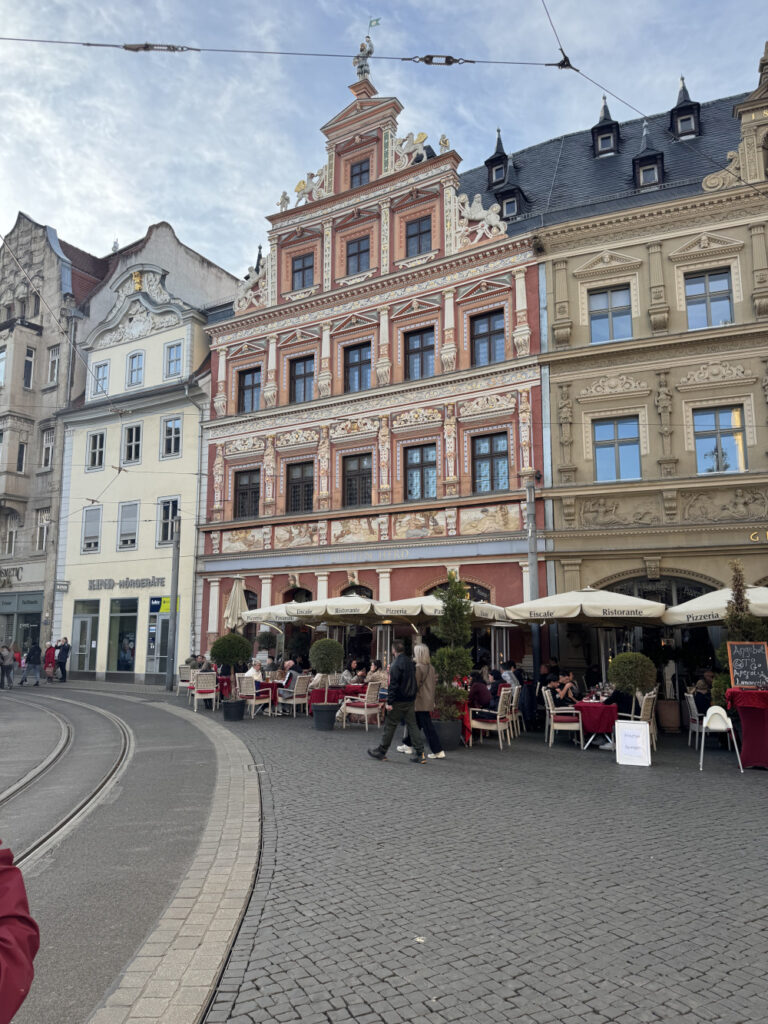
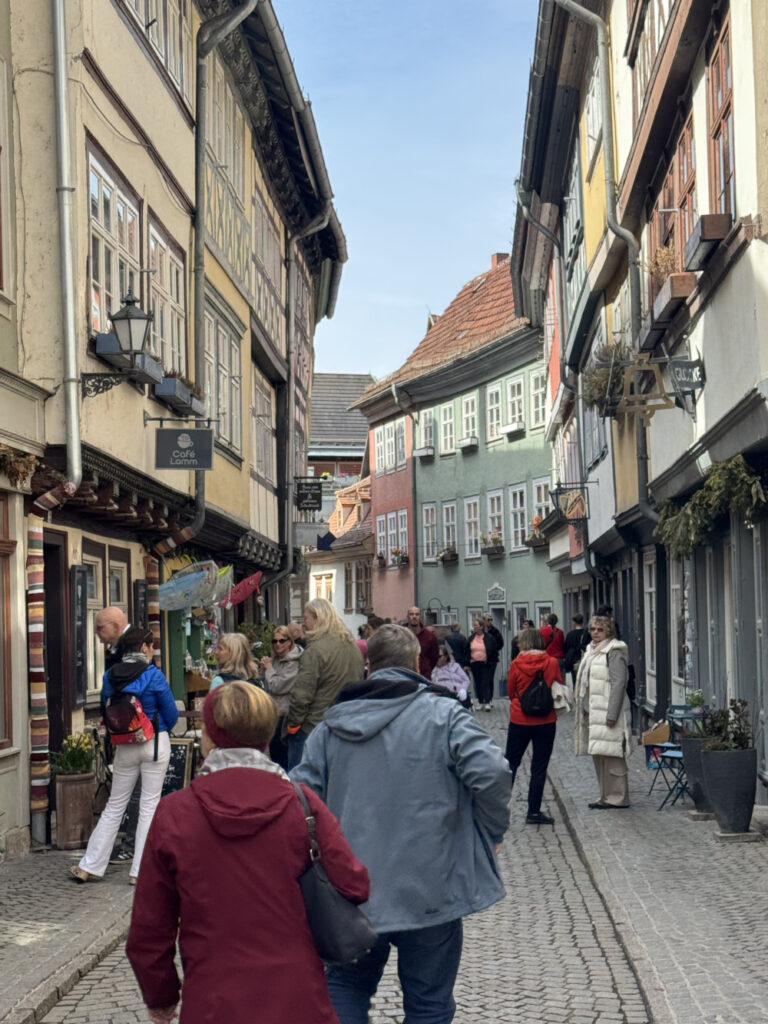
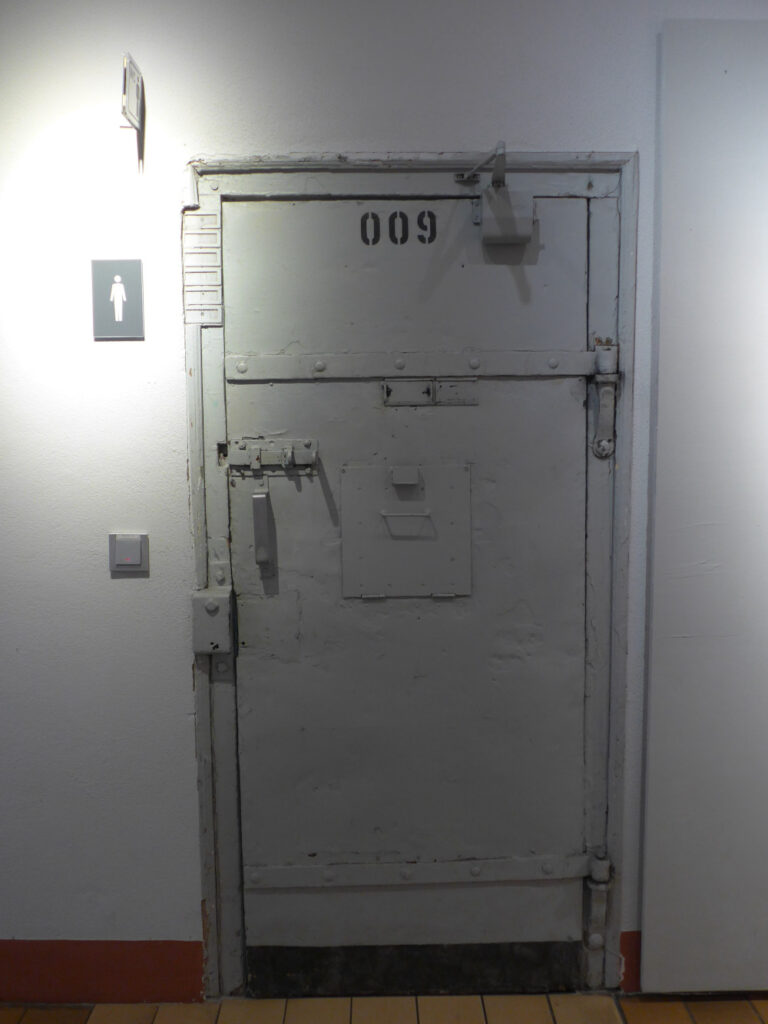
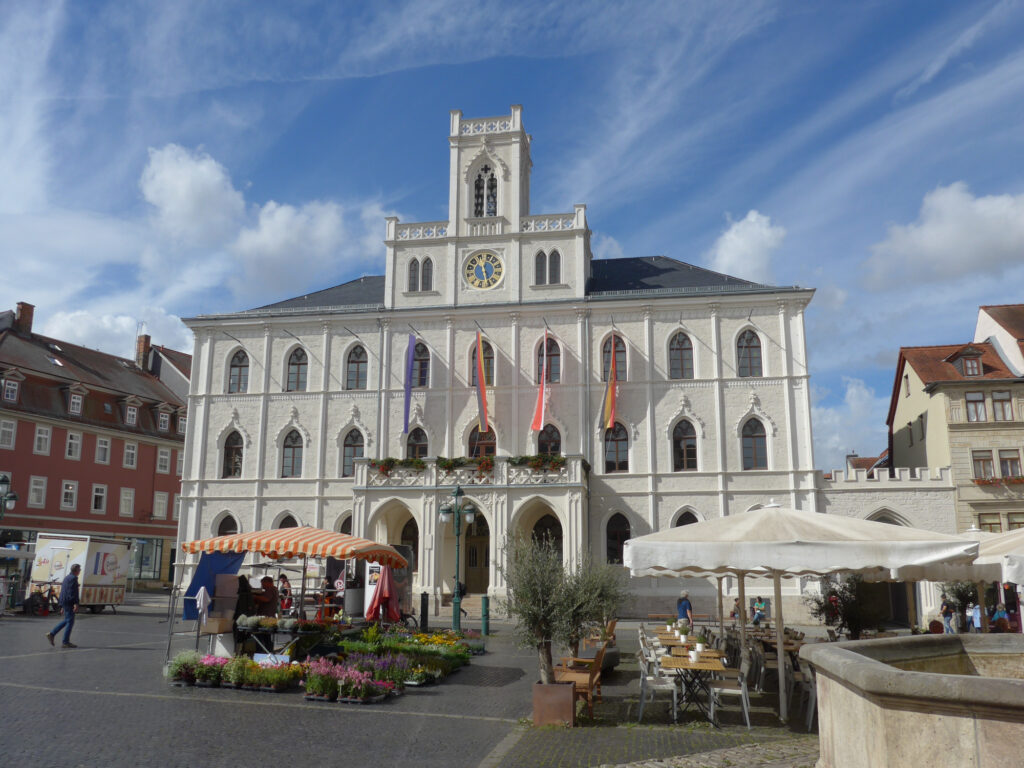
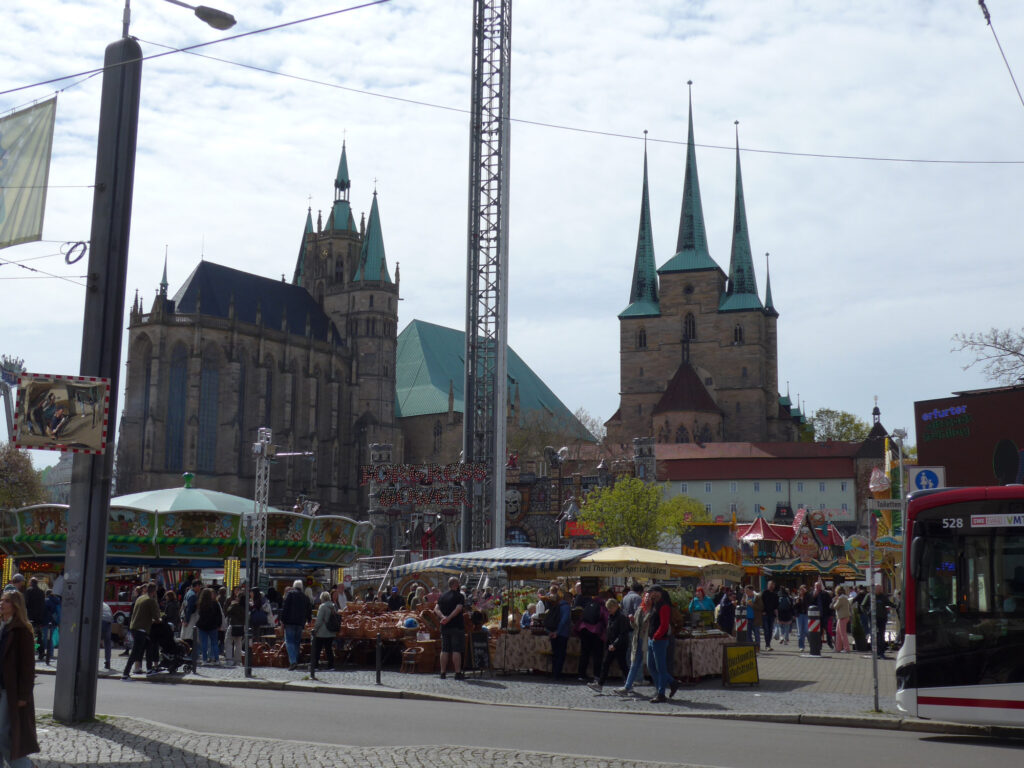
During our 2026 tour, we will explore the historic cities of Erfurt and Weimar. We will also visit the memorial site of the former Buchenwald concentration camp, as well as a former Stasi prison in Erfurt where political dissidents were held during the communist era.
On Saturday morning, we will meet with a representative from the Catholic Diocese of Erfurt to gain deep insights into the political and sociological landscape of Thuringia. In the afternoon, the local Scouts of Thuringia will present their growth project and share how our network can support them.
By joining this tour, you will see firsthand why supporting this growth project is so vital. It is a unique opportunity to help provide non-formal education to young people, proving that tolerance and diversity are essential foundations for a peaceful society.
Practical Information
Who Can Participate?
The event is open to all Friends of Scouting in Europe, their adult family members, and friends. The gathering is initially organized for a maximum of 55 participants. If registration numbers exceed this limit, we will review additional capacity options.
Registration & Deadlines
Please complete and submit the registration form as soon as possible, and no later than August 15th, 2026. Payment details will be provided upon registration. Please note that registrations are considered final and binding.
The registration form is accessible via the link below:
https://forms.gle/5EG3aC2LpDSDRk2o6
Event Duration
The official program begins on Thursday, October 1st, 2026 (early afternoon) and concludes on Sunday, October 4th, 2026 (after lunch).
Travel Logistics
- By Train: Since Erfurt has a small regional airport, we highly recommend traveling by train. Erfurt is easily accessible via high-speed rail connections from most European capitals.
- By Air: If you are flying into Germany, we recommend arriving at Frankfurt Airport (FRA). From there, you can take a direct long-distance train from the airport station straight to Erfurt.
- Local Transit: We strongly advise downloading the “DB Navigator” app (Deutsche Bahn) on your mobile phone. It provides real-time access to train, local bus, and tram timetables, and allows you to buy tickets directly.
Health Care & Mobile Roaming
- Health Insurance: As Germany is an EU member state, EU citizens can access medical care free of charge by presenting a valid European Health Insurance Card (EHIC).
- Mobile Roaming: EU citizens can use their mobile plans under standard domestic conditions. This “roamlike-at-home” policy also applies to mobile networks from Norway, Liechtenstein, Iceland, Moldova, and Ukraine.
Climate & Clothing
October marks the middle of autumn in Germany. Temperatures typically range between 5°C and 20°C, depending on the weather conditions. You should prepare for both rain and bright sunshine. Please bring comfortable walking shoes, as the program includes several walking tours.
Costs & Accommodation
The package is calculated on an all-inclusive basis covering accommodation, meals (including drinks), entrance fees, guided tours, and local group transportation.
Note on Friday Evening: There is no group program on Friday night. Participants can dine in smaller groups (10–15 people) at one of four pre-reserved restaurants. This dinner is not included in the package price and must be paid individually.
Venue & Hotel
We will be staying at the B&B Hotel Erfurt, located within short walking distance of Erfurt Main Station. It is a modern, comfortable hotel with standard amenities. Daily buffet breakfast is included. Public parking is available nearby (parking fees are not included).
Package Prices
| Room Type | Package Price (per person) | Additional Night Rate (per person) |
| Single Room | €615 | €97.85 |
| Double Room | €505 | €61.63 |
If you wish to extend your stay before or after the event, please indicate this on your registration form. If you prefer to arrange your own accommodation, please notify us during registration; the package price will be reduced accordingly based on the rates above.
The Programme
Thursday, October 1st
- Until 16:00 – Arrival and hotel check-in.
- 16:30 – Welcome reception at the hotel.
- 17:00 – Guided English-speaking walking tours through the center of Erfurt. Tracks available: (1) Classical City Tour, (2) Jewish History in Erfurt, (3) Architectural Highlights of Erfurt.
- 19:00 – Group dinner at the “Augustiner” restaurant near the famous Krämerbrücke.
Friday, October 2nd
- 09:15 – Bus departure from the hotel to Weimar.
- 10:00 – Choice of three guided English-speaking tours in Weimar: (1) Classical Weimar City Tour, (2) Weimar During the Nazi Dictatorship, (3) Influential Women of Weimar.
- 12:00 – Quick lunch at the Weimar marketplace (traditional Thüringer Bratwurst or a vegetarian option).
- 12:45 – Bus transfer to the Buchenwald Concentration Camp Memorial (Overview & Museum tour).
- 17:00 – Bus returns to Erfurt.
- Evening – Free evening. Optional reservations available at four local restaurants (not included in the package fee).
Saturday, October 3rd
- Morning – Travel by local tram to the “Bildungshaus St. Martin” conference venue.
- 09:30 – Presentation by Ordinariatsrat Dr. Claudio Kullmann on the political and sociological landscape in Thuringia, followed by open discussion.
- 12:30 – Light lunch prepared by the local Scouts.
- 14:00 – Presentation by the Scout Federation of Thuringia regarding their growth project and funding requirements.
- Late Afternoon – Official FOSE meeting, followed by a break to return to the hotel.
- 19:00 – Dinner at the historic restaurant “Kromers” (exclusively reserved for our group).
Sunday, October 4th
- 09:30 – Guided tour of the former Stasi Prison Memorial in Erfurt. Alternatively, independent exploration of Erfurt using the provided complimentary weekend transit pass.
- 12:30 – Farewell lunch at the Italian Restaurant “Pavarotti” in the city center before departure.